 UX Caffè

Prompt Design for Designers: How to Talk to AI and Get Useful Results
A practical (and creative) guide for digital designers who want to get the most out of ChatGPT, Midjourney & Co.
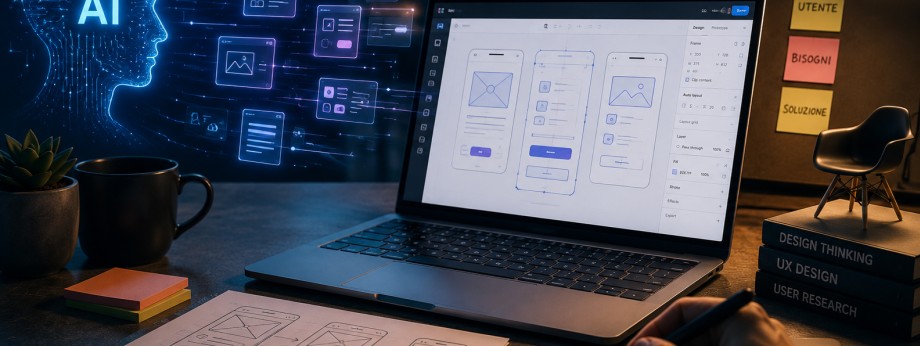
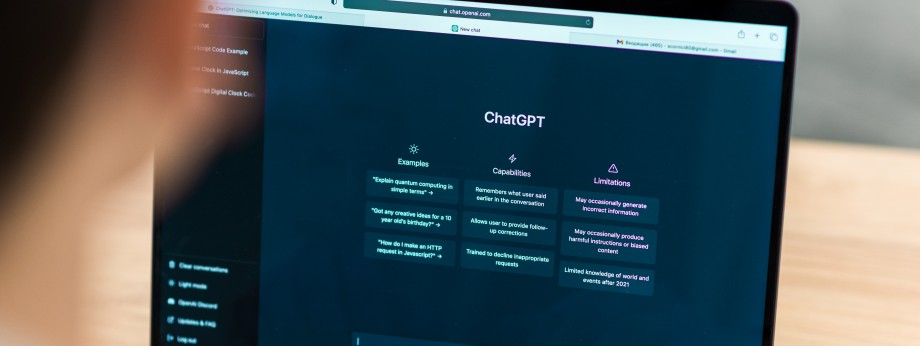
Artificial intelligence is becoming more and more an extension of our creative abilities. From Midjourney to ChatGPT, including DALL·E, Firefly, and Runway, AI tools are now part of the daily workflow for many designers. But to get truly useful results, it’s not enough to just “ask for something”—you need to know how to ask for it.
Welcome to the world of prompt design—the art of talking to AI the right way.
Yes, talking. Because every AI is like a highly skilled assistant… but also very literal. If your prompt is vague, you’ll get generic results. But if you learn to write clear, detailed, and well-structured prompts, you can save hours of work and get surprisingly good content.
What Is Prompt Design and Why Should You Care?
Prompt design is the set of techniques used to write effective requests (prompts) for generative AI tools. It’s a blend of copywriting, logic, and UX: writing prompts isn’t just technical—it requires empathy and communication clarity.
By 2025, prompting has become a core skill for anyone working in digital creativity. For designers, this means:
- generating layout variations with Midjourney,
- getting UX naming and descriptions with ChatGPT,
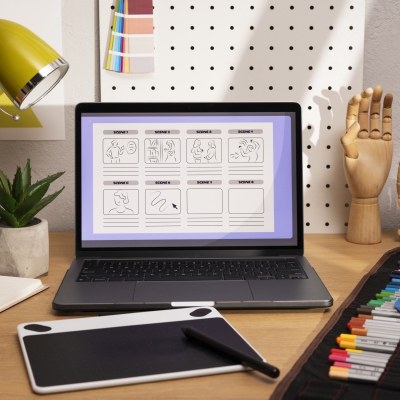
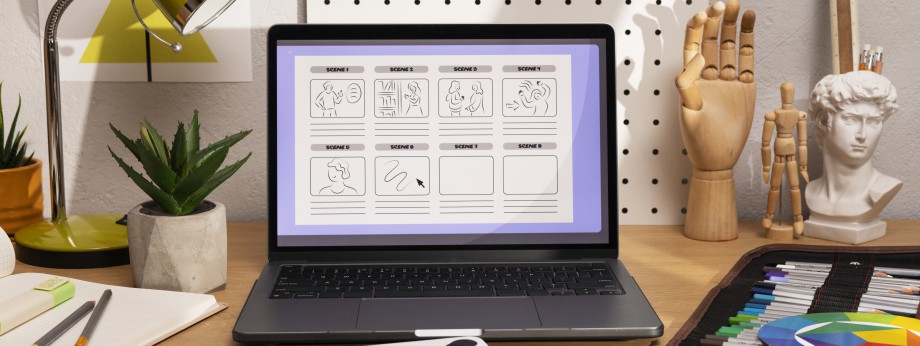
- creating storyboards or realistic scenarios for presentations or user tests.
The right prompt can turn a vague idea into a prototype, a concept, a UI, or a truly helpful visual.
How to Write an Effective Prompt
Here are a few practical tips to improve your prompts right away:
1. Be Specific
Saying “give me logo ideas” is too vague. Better:
“Generate 5 minimal logo ideas for a startup focused on solar energy, flat style, warm colors.”
2. Give Context
AI performs better when it knows what you're trying to do.
“Imagine you're an expert UX designer. Suggest 3 ways to improve the onboarding flow of a finance app for young users.”
3. Break It into Steps
Split your request into smaller tasks.
“First, list 10 visual trends for 2025. Then, build a moodboard for a modern portfolio website.”
4. Use the Right Tone
Stylistic direction matters—even with ChatGPT.
“Write a homepage description for an interior design website, elegant and reassuring tone.”
5. Refine and Re-prompt
The first prompt is rarely the perfect one. Edit, reframe, and ask for variations. AI is collaborative—not magic.
Prompts for Images: Midjourney & Co.
For visual tools like Midjourney, prompts are even more crucial. A good UI prompt might look like:
“Modern smartwatch UI design, dark theme, minimal, health tracking dashboard, clean flat icons, centered composition, 4K –v 6 --ar 9:16”
The basic components are:
- Subject (“smartwatch UI design”)
- Style (“minimal”, “clean flat icons”)
- Color (“dark theme”)
- Quality (“4K”)
- Aspect Ratio (“9:16”)
📚 Useful and Updated Resources
Conclusion
By 2025, prompt design is a must-have skill in the designer's toolkit. It’s no longer enough to know Figma, Photoshop, or After Effects—you also need to know how to interact with AI.
And that dialogue starts with clear, strategic, and empathetic prompts. It’s a real exercise in conversational design.
Writing good prompts isn’t something you master overnight—but it’s highly trainable. With practice, every designer can learn how to:
- save time when brainstorming ideas,
- generate visual drafts faster,
- develop prototypes or visual inspiration more efficiently.
But most importantly, prompt design helps you clarify your creative goals. If you can’t explain clearly what you want to the AI, chances are you haven’t figured it out yet yourself. And that’s where prompts force you to think, reflect, and refine.
So: don’t fear the tech—use it as a creative ally. Learn to talk to AI like you would to a smart, fast colleague… who just happens to get grumpy when you’re unclear!
The future of design is increasingly hybrid—and being able to write effective prompts is the first step to staying at the center of that change.
 Follow UX Caffe on instagram