 UX Caffè

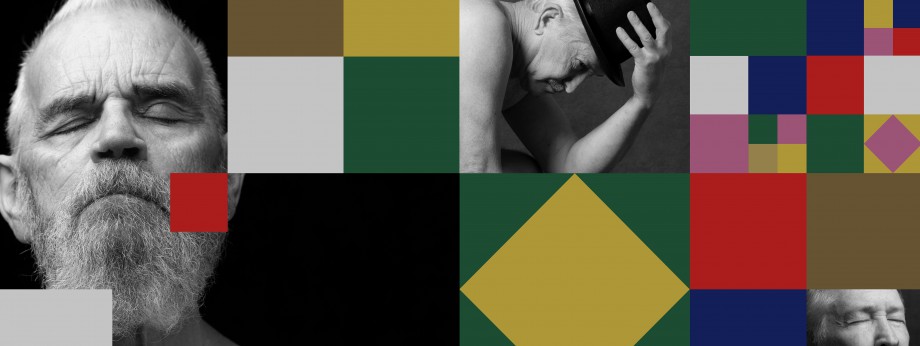
AI Moodboards: Finding Creative Spark with Generative AI for Palettes and Layouts
How generative artificial intelligence is changing the way designers and creatives build moodboards and visual concepts
In recent years, digital moodboards have become an essential step in the creative process. From simple collections of images to true strategic tools, they are now evolving thanks to generative AI. With tools like DALL-E, Midjourney, and new multimodal platforms, designers can not only search for inspiration but also create original content, generating color palettes, layouts, and unique visual combinations.
This revolution brings with it both opportunities and new methodologies worth exploring.
Why Use AI for Moodboards?
Traditional moodboards are assembled manually: Pinterest images, screenshots, personal photos. Useful, but often time-consuming. AI flips this approach, allowing you to:
- Generate custom images from text prompts.
- Create dynamic color palettes based on visual trends or described emotions.
- Explore alternative layouts in seconds without starting from scratch.
- Discover unexpected pairings thanks to AI-generated combinations that might not immediately occur to a human eye.
In short, AI becomes a “creative collaborator” that stimulates and speeds up the initial design phase.
AI Tools for Moodboard Creation
1. DALL-E 3 (OpenAI)
Ideal for realistic images or illustrations. By typing prompts like “Scandinavian interior design with pastel palette”, DALL-E produces coherent images ready to be part of a moodboard.
2. Midjourney v6
Popular among designers for its artistic quality and unique aesthetics. Midjourney is perfect for moodboards with a distinctive, highly evocative style — great for branding and conceptual projects.
3. Runway Gen-3
Goes beyond images and allows the creation of short videos. A moodboard that integrates motion is a powerful way to present immersive concepts.
4. Canva AI & Adobe Firefly
Both now feature generative AI for color palettes and typographic combinations. Accessible and user-friendly, they’re perfect for those who want to integrate AI without steep learning curves.
AI-Generated Color Palettes
No moodboard is complete without a color palette. Tools like Khroma, Colormind, and generative algorithms can now propose palettes based on emotions, trends, or descriptions. For example:
- “Colors that convey calm and trust” → blue and green palettes.
- “Futuristic and tech-inspired palette” → neon, purple, and black combos.
This allows moodboards to be adapted instantly to branding, UI design, or interior contexts.
AI Moodboards and Team Collaboration
Many AI platforms now integrate with collaboration tools (Figma, Miro, Notion). This means creative teams can:
- Generate visual concepts together in real time.
- Comment and iterate on prompts collaboratively.
- Produce multiple moodboard versions in minutes and compare them.
AI doesn’t replace human contribution — it enhances visual brainstorming.
Risks and Limitations
Of course, using AI in moodboards also brings challenges:
- Aesthetic sameness: if everyone uses Midjourney, moodboards risk looking similar.
- Copyright concerns: AI-generated images require careful licensing considerations.
- Lazy creativity: over-reliance on AI may discourage independent exploration.
For this reason, AI results should always be considered as starting points, not finished products.
Practical Use Cases
- Branding: quickly defining visual moods for client presentations.
- UX/UI Design: palettes and patterns aligned with brand identity.
- Fashion: experimenting with AI-generated textures, colors, and patterns.
- Interior Design: exploring styles and atmospheres based on emotions and functions.
Conclusions
AI is transforming moodboards from passive collections into active creativity generators. Instead of spending hours on Pinterest, a designer can now type a few words and receive dozens of fresh ideas.
This doesn’t diminish the designer’s role — on the contrary, it amplifies it. AI proposes, but it’s the human eye that selects, refines, and builds coherence. The real value lies in the designer’s ability to curate and interpret outputs into strong, compelling concepts.
Another key factor is speed: with AI, moodboards can evolve in real time, adapting to new ideas or client feedback. This makes the entire creative process more fluid and responsive.
Finally, creativity isn’t just about visuals — it’s about storytelling. An AI-powered moodboard, when curated properly, tells a story, translates emotions, and makes abstract ideas tangible. This is where technology meets artistry: not to replace it, but to amplify it.
Ultimately, using tools like DALL-E, Midjourney, or Firefly for moodboards means expanding your creative toolkit. It’s not about delegating creativity, but about having a tireless assistant that opens doors to new possibilities. The future of design is here: moodboards that are faster, richer, and more inspiring.
 Follow UX Caffe on instagram