 UX Caffè

How Artificial Intelligence Is Changing the Work of Designers
A practical reflection on how AI is transforming design: between creativity, efficiency, and new challenges
If you're a designer in 2025, chances are that artificial intelligence has become a constant presence in your workflow. No longer just a buzzword, AI is now a practical tool influencing interface design, the generation of visual content, and the optimization of creative processes. But how is it really changing the way we work?
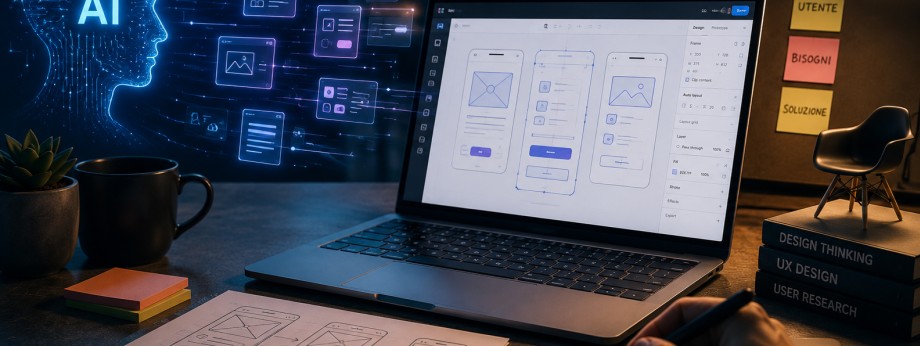
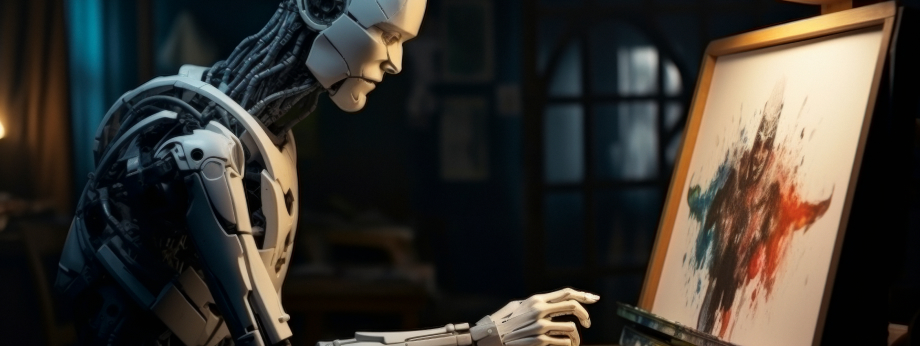
AI has begun to play a significant role even in the early stages of the creative process. During ideation, AI-powered tools can suggest layouts, color palettes, and typefaces that align with the project brief. This doesn’t mean that human creativity is being replaced—rather, AI acts as a collaborator that offers ideas and alternatives, sparking new creative directions.
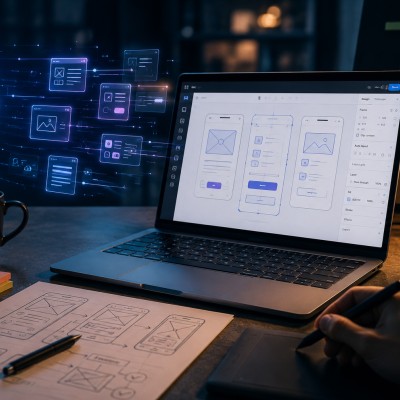
In the field of prototyping, AI enables rapid transformation of ideas into interactive prototypes. For example, by verbally describing a feature or interface, you can generate a functional draft ready for testing and iteration. This significantly speeds up the development process and allows designers to focus more on user experience.
AI is also making a difference in the production of visual content. Image and video generation tools make it possible to quickly create customized visual assets, reducing the time and costs associated with traditional production. For example, fashion companies are using AI to generate product images and virtual models, adapting quickly to market trends.
However, integrating AI into design isn’t without its challenges. One major obstacle is the need to understand and manage complex tools, often perceived as “black boxes.” Today's designer must evolve into an orchestrator—someone capable of directing and controlling these tools to achieve consistent and meaningful results.
In addition, the adoption of AI raises ethical and accountability issues. It's crucial to ensure that the solutions we design are inclusive, accessible, and respectful of user privacy. Designers must oversee the ethical use of AI, making sure that automated decisions don’t perpetuate bias or discrimination.
Despite these challenges, AI offers significant opportunities to boost creativity and improve efficiency. For example, during brainstorming, AI can suggest unconventional ideas, inspiring innovative solutions. In project management, it can automate repetitive tasks, freeing up time for more strategic and creative work.
In conclusion, artificial intelligence is transforming the designer’s role, expanding their skills and responsibilities. This is not a replacement of human creativity, but rather an evolution of the creative process, where AI becomes a powerful ally. Embracing this transformation means being ready to experiment, learn, and adapt—while always keeping empathy and user-centric thinking at the core.
 Follow UX Caffe on instagram