 UX Caffè


Design Thinking in Practice: How to Apply It to a Solo Freelance Project
A step‑by‑step example showing how Design Thinking empowers freelance designers
If you're working solo, you know how important it is to solve problems effectively without heavyweight processes. Design Thinking offers a structured, user‑centred approach—empathy, rapid ideation, prototyping, and testing—that works extraordinarily well even for solo projects.
1. What Design Thinking Really Means—and Why It Works Solo
Design Thinking is an iterative, non‑linear methodology focused on solving complex, “wicked” problems by balancing analytical and creative approaches Startups & Venture Capital+8graphicdigits.com+8uxdesigninstitute.com+8Wikipedia. It was popularized by Stanford’s d.school and Tim Brown, emphasizing human‑centred innovation Wikipedia+1interaction-design.org+1.
The core phases—empathize, define, ideate, prototype, test—are all achievable independently and help build solutions validated directly with users interaction-design.org.
2. A Concrete Example: A Freelance Mini‑Project
Let’s say you need to redesign the onboarding experience for a local app. You can apply Design Thinking solo through these practical steps:
a) Empathize
Reach out to 3–5 potential users (even friends) to understand their pain points. Use an empathy map to document feelings, needs, and behaviors online.hbs.edu+11Certiprof+11dolarapp.com+11.
b) Define
Craft a clear problem statement using the “point of view” formula: “For [user persona], when [context], it's difficult to [problem], because [insight]” Certiprof.
c) Ideate
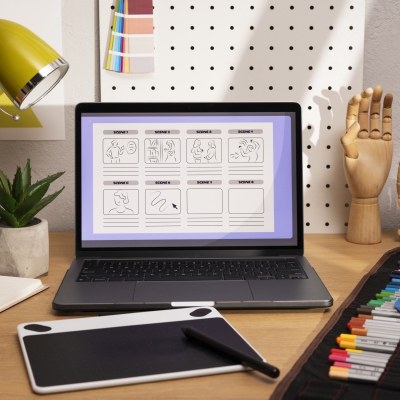
Use the Crazy 8 method: create 8 quick sketches in 8 minutes, focusing on breadth over polish Startups & Venture Capitalonline.hbs.edu.
d) Prototype
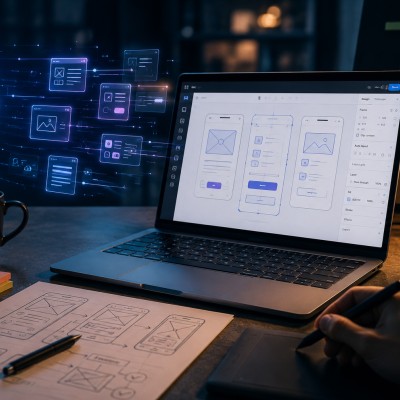
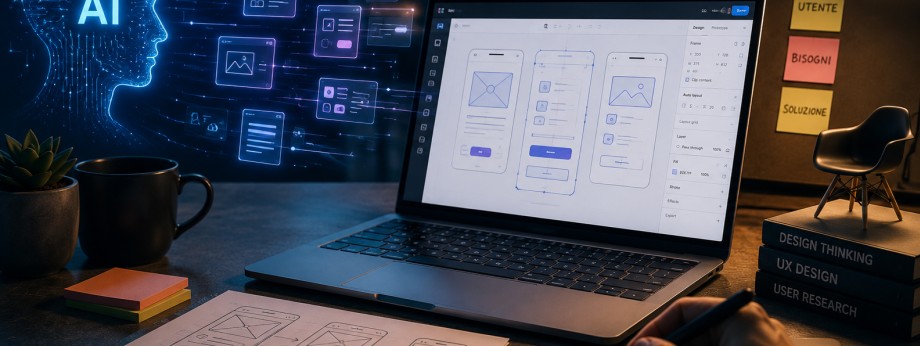
Build a wireframe on paper or digital tools like Figma or Uizard. The aim is to create a testable concept fast graphicdigits.comCertiprof.
e) Test
Share the prototype with 2–3 users, collect feedback, and iterate quickly.
3. Benefits for Freelancers
- Time‑efficient: No long workshops—just fast cycles.
- Credibility: Demonstrates structured thinking to clients blog.prototypr.io.
- Flexibility: Easily scalable to project scope and budget.
- Validated results: Prototype testing reduces costly mistakes.
4. Recommended Tools
- Miro or Mural for empathy maps and journeys
- Figma, Uizard, or Mural for rapid prototyping
- Designercize for ideation prompts
- Notion or Evernote for organizing insights Startups & Venture Capitalblog.prototypr.io
5. Freelance Workflow Tips
- Define success metrics: conversion rates, onboarding completion time Startups & Venture Capital
- Involve clients: share empathy maps or journey sketches for transparency
- Stay empathic: even via remote interviews
- Iterate fast: use feedback to refine, not perfect immediately
Conclusions
Applying Design Thinking as a solo freelance designer gives your creative work structure, clarity, and user validation—even on a tight budget. Empathy brings understanding; clear problem defining anchors the challenge; ideation sparks possibilities; prototypes turn ideas tangible; and testing delivers actionable feedback.
This method enables you to:
- Present a robust process to clients, increasing credibility
- Prototypically troubleshoot without over‑investing
- Adapt your strategy per project domain
- Communicate effectively with stakeholders using visual artifacts
Even alone, you can operate like a full design team: observe, empathize, create, test, iterate. A freelance approach to Design Thinking underlines the difference between doing and thinking: it makes your work more intentional, user‑focused, and reliable.
In short, Design Thinking freelance means applying method, creativity, and empirical iteration from day one—transforming chaos into concept, problems into opportunities, and clients into collaborators.
 Follow UX Caffe on instagram